Educational editorial content prepared for drhindsaeed.com. No named clinician review is claimed.
This is general educational information, not a diagnosis or an individual treatment plan. Treatment selection depends on a dental examination and the condition of the tooth.
A modern restoration starts with the tooth
A small broken edge, a cavity, and a failing old filling can look like similar problems in a photograph. They do not necessarily need the same treatment. The useful question is how much healthy tooth remains, what caused the damage, and what is needed to restore comfortable function. Bonded composite can be a conservative option, but an attractive surface alone cannot tell us whether it is the right one.
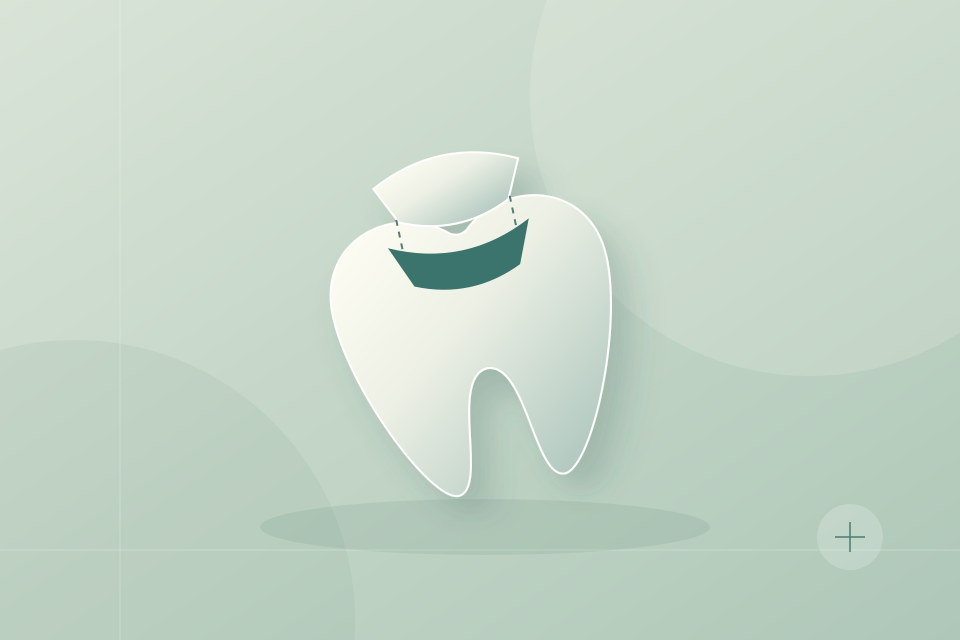
Composite is a tooth-colored restorative material placed and shaped directly on the tooth. The adhesive connection helps the dentist rebuild a missing area rather than automatically covering the entire tooth. Small- and medium-sized restorations on front or back teeth are common uses. Suitability changes as the missing area and chewing load increase. ADA patient information on tooth-colored fillings.
What “building the tooth” actually means
A restoration replaces missing structure; it does not grow a new natural tooth. Composite may restore a chipped contour, fill a cavity, or rebuild an area around a suitable existing restoration. Matching the shade is one part of the work. The shape also needs to support cleaning, contact appropriately with neighboring teeth, and fit the bite. Composite contains a resin matrix and reinforcing filler particles, and different formulations suit different purposes. ADA guide to direct restorative materials.
When discussing treatment, distinguish a localized repair from a larger cosmetic change across several teeth. Ask which surfaces would be altered and whether sound enamel would be removed. A plan should explain the clinical problem first, then the proposed material. A name such as “nano,” “premium,” or “digital” is not, by itself, evidence that treatment is necessary or more durable.
Assessment before choosing a filling
Tell the dentist about pain, previous repairs, an injury, grinding, and anything that has changed when you bite. The examination may include tests of the tooth and clinically indicated X-rays. The discussion should cover remaining structure, gum health, the depth of decay, the ability to keep the working area dry, and alternatives. A large filling does not become suitable simply because its color can be matched.
Some early decay can be managed before a cavity forms, whereas a true cavity involves lost structure. This is why a visible white or dark mark should not be self-diagnosed from a photograph. The dentist must decide whether prevention, monitoring, restoration, or another treatment is appropriate. Fillings and crowns are also not lifetime devices. NIDCR overview of dental fillings and decay.
Conservative decay removal is a considered decision
The modern emphasis is to protect useful tooth tissue and the living pulp when possible. The ADA's 2023 guideline supports selective removal of decayed tissue for many moderate or advanced lesions in vital teeth. This may reduce the risk of exposing the pulp compared with more aggressive removal. It is a professional approach involving case selection and an effective seal, not permission to leave an untreated cavity open. ADA restorative treatment guideline summary.
Ask what the findings mean for your particular tooth: Is the pulp currently healthy? Is the aim to avoid exposing it? What symptoms would change the plan? The word “conservative” should describe a reasoned treatment strategy. It should not be used as a promise that a deeply damaged tooth can never need root canal treatment later.
Which newer composite techniques have evidence?
Bulk-fill composites are designed for particular placement approaches; they are not a separate guarantee of quality. A randomized trial published in 2023 followed 120 back-tooth restorations in 60 adults and found comparable five-year performance for the tested bulk-fill and conventional nanocomposite materials. That supports an option for selected situations, rather than proving every bulk-fill product superior to every layered restoration. Five-year clinical trial.
For a patient, the practical questions are whether the product is suitable for the defect, whether the dentist can control moisture, and how the result will be checked. Marketing a material as newly released tells you little about long-term results. A familiar, appropriately selected material with careful execution may be a more sensible choice than switching simply to follow a trend.
Repair an old restoration or replace it?
A small defect does not always require removing an otherwise serviceable filling. The FDI supports considering repair within minimally invasive care after assessing the defect and the patient. Repair can preserve tooth structure, while widespread deterioration or unsuitable conditions may still require replacement. FDI policy on repair.
A clinical study followed selected repaired and replaced restorations for 12 years. Its results support repair as a useful option, but participants were carefully selected; high-caries-risk patients and larger unsuitable defects were excluded. This is not evidence that any cracked filling can safely be patched. Twelve-year clinical study.
Treatment, limitations, and a realistic maintenance plan
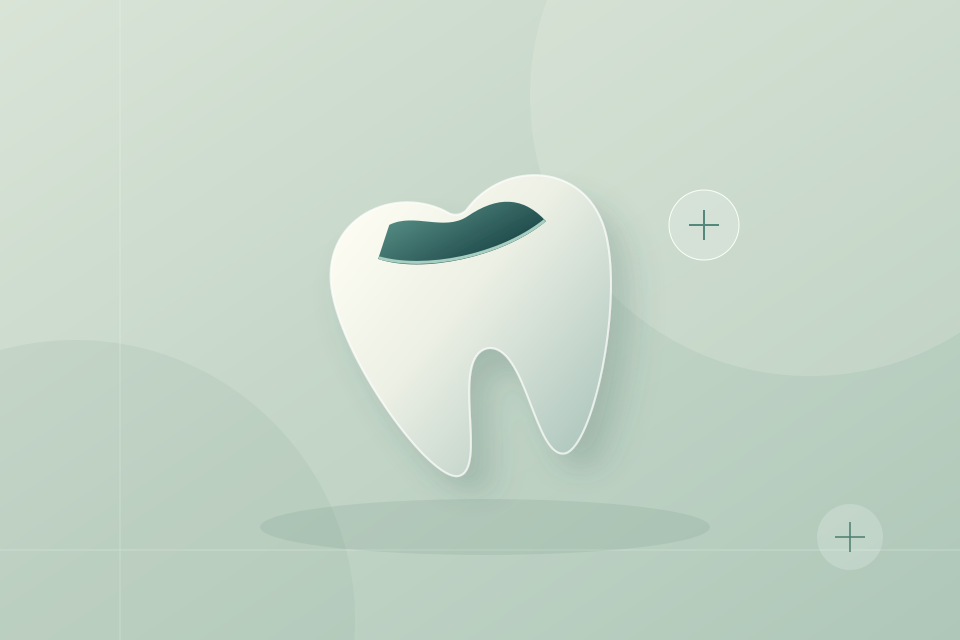
Composite placement typically involves preparing the damaged area, controlling moisture, bonding, shaping, hardening, and checking the result. The tooth must be kept clean and dry while the material is placed. Ask about comfort measures and the number of appointments before starting. A restoration may eventually chip, discolor, wear, or need attention; no filling lasts forever. ADA patient guidance.
Agree on what happens after treatment. Who should you contact if the bite feels wrong? When is a review needed? If a large area is missing, ask whether partial coverage or a crown would provide a more appropriate plan, and what additional tooth preparation each option involves. These discussions are more useful than comparing materials solely by their initial fee.
Protect the tooth after it has been repaired
Daily care remains essential because the rest of the tooth is still natural tissue. Brush twice daily with fluoride toothpaste, clean between teeth, and attend the review schedule agreed with your dentist. Fluoride supports enamel and helps prevent new decay; a restoration does not replace prevention. NIDCR fluoride guidance.
Contact a dentist for worsening pain, a loose restoration, or swelling rather than repeatedly testing the tooth. Significant swelling with difficulty breathing or swallowing needs emergency care. NHS dental abscess guidance. For a planned consultation, bring your main concern, any previous treatment information, and your priorities about appearance, cost, and maintenance. The best decision is a clear, tooth-specific plan that you understand.
Educational note
General education, not a diagnosis or an individual treatment plan. Confirm the availability of specific techniques with the practice.
Common questions
Can composite repair a chipped front tooth?
It may be suitable for a localized chip, depending on the remaining tooth, bite, and cause of the fracture. A dental examination is needed, particularly after an injury or if there is pain.
Is a bulk-fill material always better?
No. Clinical results depend on the particular material, indication, and technique. A product category or a newer release does not establish superiority for every tooth.
Must every old white filling be replaced?
No. A dentist may recommend monitoring, polishing, localized repair, or replacement depending on the defect and overall condition. Age alone is not enough to choose the next step.
How many years will a composite restoration last?
There is no reliable individual expiry date. Size, bite, decay risk, material, technique, and maintenance all affect the result. Ask what follow-up and possible repair are expected in your case.
Sources and references
- ADA: Restorative caries treatment guideline
- ADA: Materials for direct restorations
- MouthHealthy: Tooth-colored fillings
- NIDCR: Dental fillings
- Schoilew et al.: Five-year randomized trial of bulk-fill and universal nanocomposites
- FDI World Dental Federation: Repair of restorations
- Estay et al.: 12 years of repair of amalgam and composite resins
- NIDCR: Fluoride and dental health
- NHS: Dental abscess