Educational editorial content prepared for drhindsaeed.com. No named clinician review is claimed.
This is general educational information, not a diagnosis or an individual treatment plan. Treatment selection depends on a dental examination and the condition of the tooth.
A decision about how much of the tooth to cover
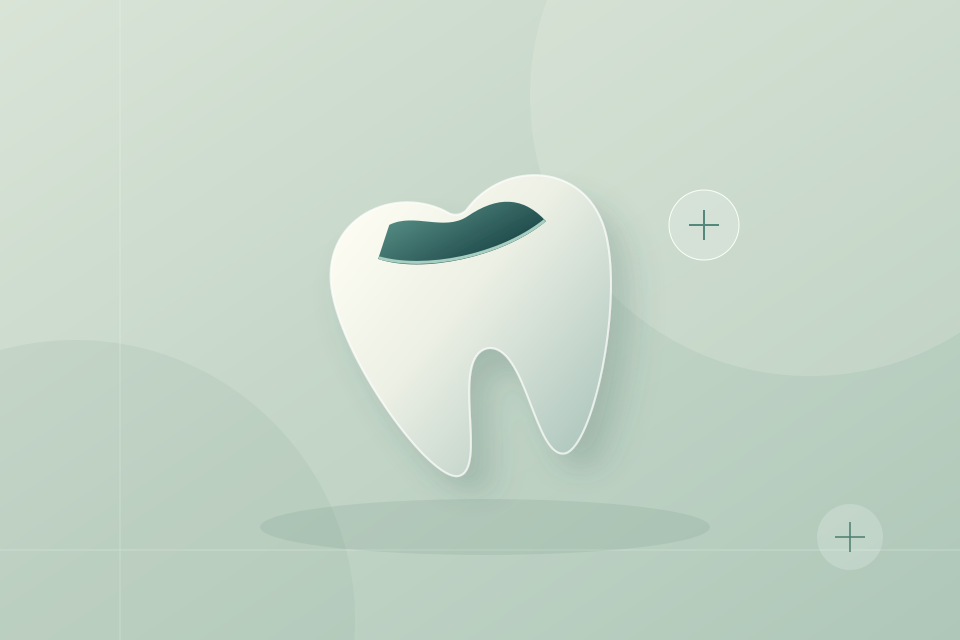
When part of a back tooth breaks or a large filling needs attention, the choices may extend beyond another filling or a full crown. A custom-made partial restoration can replace the damaged region while leaving other surfaces uncovered. Whether that is sensible depends on what remains of the tooth and what the restoration needs to do. Choosing less coverage is a clinical decision, not a cosmetic trend.
Before comparing materials or prices, ask the dentist to explain the pattern of damage. Is the problem inside the tooth, at a weakened chewing cusp, or across several walls? Understanding that difference helps make the proposed design less mysterious. A recommendation should be based on the individual tooth rather than a rule that every large filling needs the same treatment.
Inlay, onlay, overlay, and crown: the basic difference
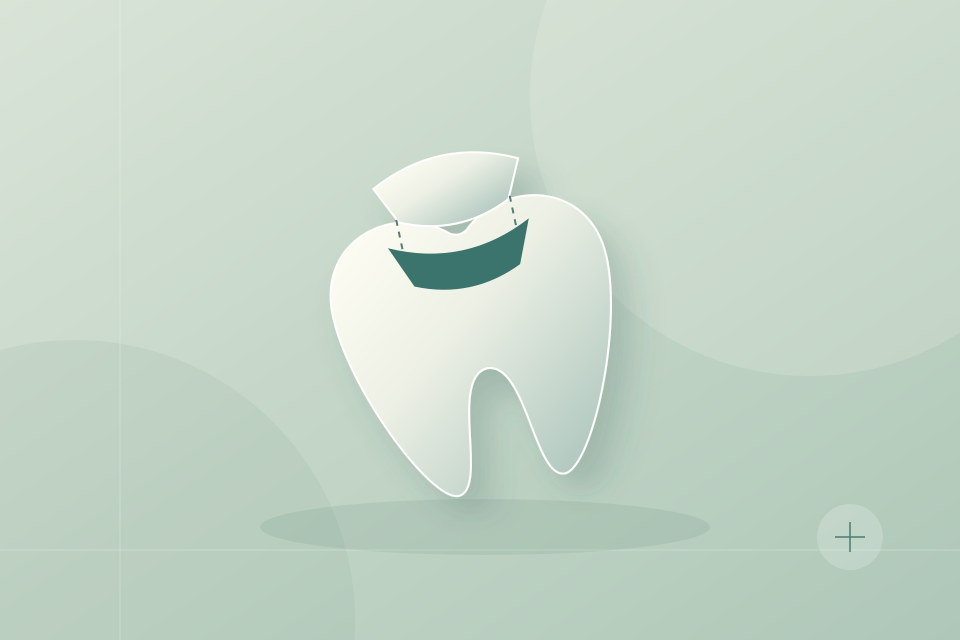
An inlay fits within a prepared cavity. An onlay extends over one or more cusps, the raised parts of a chewing surface. A full crown covers the prepared tooth more completely. These are descriptions of coverage, not quality grades. An indirect restoration is made outside the mouth and then fitted to the tooth. ADA glossary.
“Overlay” commonly describes coverage of all the cusps while preserving other tooth surfaces where suitable. Terminology can vary, so ask the dentist to show which parts will be covered rather than relying only on the name. Recent expert recommendations distinguish these partial-coverage designs and emphasize tooth preservation and individual planning. Expert recommendations on posterior restorations.
Why preserving sound tooth structure matters
A partial restoration can be useful when a damaged tooth needs more protection than a direct filling can reasonably provide but still has sound surfaces worth preserving. Bristol Dental School explains that inlays and onlays can replace missing structure and generally involve less preparation than a full crown. Bristol patient information.
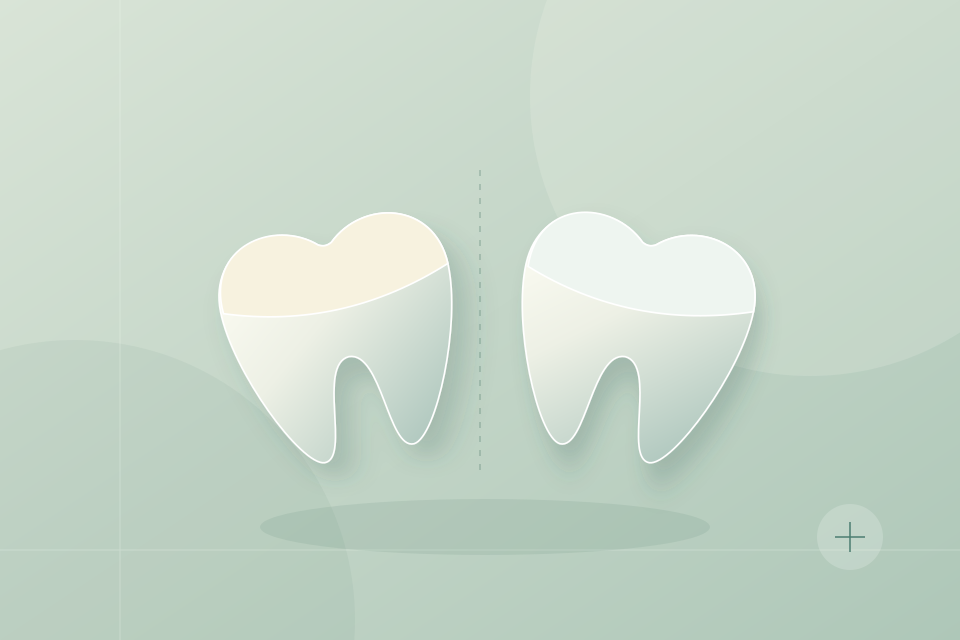
A study using model teeth compared several preparation designs and measured less tissue removal for the tested partial designs than for full crowns. It supports the anatomical rationale for conservation, but it was a laboratory study, not a trial proving that every onlay outlasts every crown. Study of preparation volume. The useful goal is to preserve sound tissue while providing a restoration appropriate to the damage, not simply to remove the least possible amount in all circumstances.
When a full crown may still be appropriate
Extensive weakening, the pattern of existing restorations, and the amount of remaining tooth can make fuller coverage appropriate. Oral hygiene, decay risk, gum disease, and grinding also need attention. A crown itself requires preparation, and it is not automatically the best option for a minimally restored tooth. Leeds Teaching Hospitals guidance.
Ask what specific finding makes the recommended option preferable. If an onlay is proposed, ask why the uncovered parts can be retained. If a crown is proposed, ask why partial coverage is less suitable. The answers may be different for two adjacent teeth. The consultation should also explain any uncertainty that can only be resolved after a defective restoration has been assessed more closely.
Choosing a material and manufacturing route
Ceramics are one group of indirect restorative materials; metal and composite-based options also exist. Material choice involves appearance, mechanical properties, the bonding or cementation approach, and the clinical situation. “Ceramic” therefore does not identify a single product with identical behavior in every use. ADA overview of indirect materials.
A four-year randomized trial of 60 people reported comparable outcomes for the tested pressed and digitally milled lithium-disilicate partial crowns. Four-year clinical study. Ask which material is recommended, why it suits this tooth, and whether it will be made in a laboratory or through a chairside workflow. The manufacturing method should be part of that explanation, rather than the entire reason for treatment.
How to read claims about durability
A small split-mouth trial comparing feldspathic and lithium-disilicate onlays reported similar clinical performance over two years. The study involved 22 restorations, so it cannot establish a universal ranking of materials or predict a particular person's long-term result. Two-year onlay trial.
When you see a percentage in a brochure, ask what counted as survival: remaining in place, being free of repair, or having no complication at all? Also ask how many people were followed and for how long. A restoration that needs a minor repair and one that needs replacement may be counted differently between studies. Long-term planning is more useful than treating a quoted average as a personal guarantee.
Treatment and risks to discuss beforehand
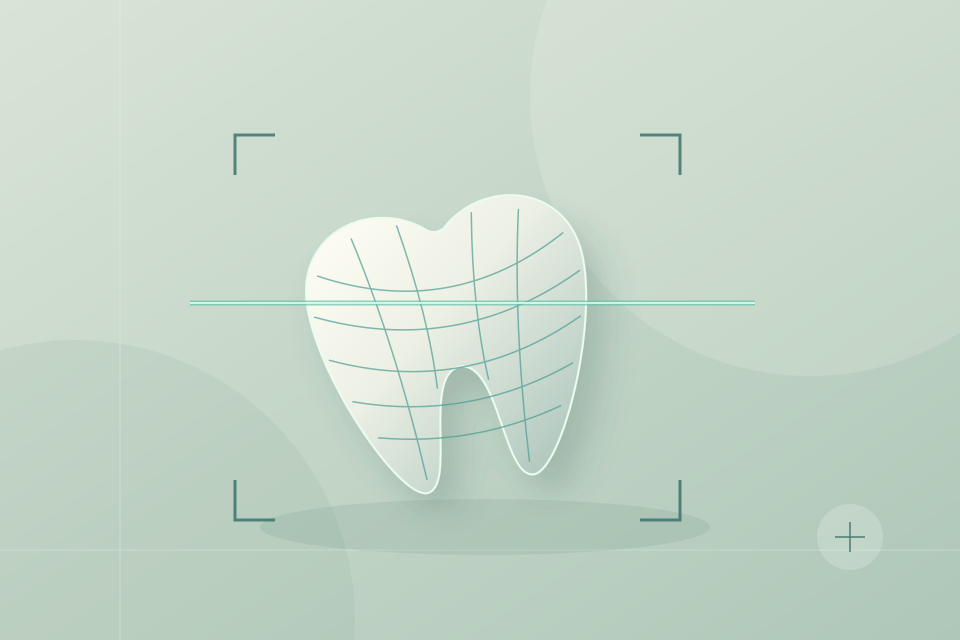
Ask about anesthesia, the impression or scan, any temporary protection, the fitting appointment, and the checks before the restoration is bonded or cemented. The timing depends on the actual workflow. You should also know who to contact if the temporary restoration comes loose or symptoms change while waiting.
Possible problems include sensitivity, recurrent decay, an uncomfortable bite, and changes in the pulp that may later require root canal treatment or extraction. Bristol's patient guidance explains these risks and the need to check the completed restoration. Benefits and risks of inlays and onlays. Discuss the chance of repair or replacement, what your fee covers, and any limits to the proposed result before treatment begins.
Protecting the restoration and the remaining tooth
If you grind or clench, mention it before restorative treatment. The dentist may recommend a protective appliance and assessment of contributing factors. A night guard and a sports mouthguard serve different purposes; a new restoration does not, by itself, treat grinding. ADA patient guidance on bruxism.
Brush twice a day with fluoride toothpaste and clean between teeth using an appropriate method. The NHS advises spitting after brushing rather than immediately rinsing away the remaining toothpaste. NHS cleaning guidance. Arrange review if pain persists, the restoration feels loose, or food repeatedly traps beside it. Significant swelling with difficulty breathing or swallowing needs emergency care. NHS dental abscess guidance.
A useful outcome from the consultation
Leave with an explanation of the diagnosis, the proposed coverage, the material, the alternatives, and the follow-up plan. Ask what would change the recommendation and whether the decision can be made now or needs more assessment. The aim is a restoration that respects the remaining tooth and your practical needs, with realistic expectations about maintenance.
Educational note
General education, not a diagnosis or an individual treatment plan. Confirm the availability of specific techniques with the practice.
Common questions
Is an onlay always better than a crown?
No. An onlay can preserve sound surfaces when conditions are suitable, while a more extensively weakened tooth may need a different design. Coverage should follow the diagnosis and remaining tooth structure.
Is an inlay the same as a white filling?
They may both match tooth color, but a direct filling is shaped in the mouth, whereas an inlay is manufactured outside it and then fitted. The choice depends on the defect and the treatment plan.
Can I have an onlay after root canal treatment?
It can be considered in selected cases, but the remaining walls, bite, existing damage, and overall prognosis must be assessed. Root canal treatment alone does not determine one suitable design for every tooth.
Can an onlay develop decay underneath?
The natural tooth at and around the restoration can still decay. Cleaning, fluoride, sensible dietary habits, and regular professional review remain important even when the ceramic itself looks unchanged.
Sources and references
- ADA: Glossary of dental terms
- University of Bristol Dental School: Inlays and onlays
- Stevens et al.: Tooth-structure removal with crowns, overlays and onlays
- Leeds Teaching Hospitals: Crowns
- ADA: Materials for indirect restorations
- Ferrari-Cagidiaco et al.: Pressed and milled lithium-disilicate partial crowns at four years
- Clinical trial: Feldspathic and lithium-disilicate onlays at two years
- Eggmann et al.: Expert recommendations on single indirect posterior restorations
- ADA MouthHealthy: Teeth grinding and jaw pain
- NHS: How to keep your teeth clean
- NHS: Dental abscess