Educational editorial content prepared for drhindsaeed.com. No named clinician review is claimed.
This is general educational information, not a diagnosis or an individual treatment plan. Treatment selection depends on a dental examination and the condition of the tooth.
Start with the reason for a crown
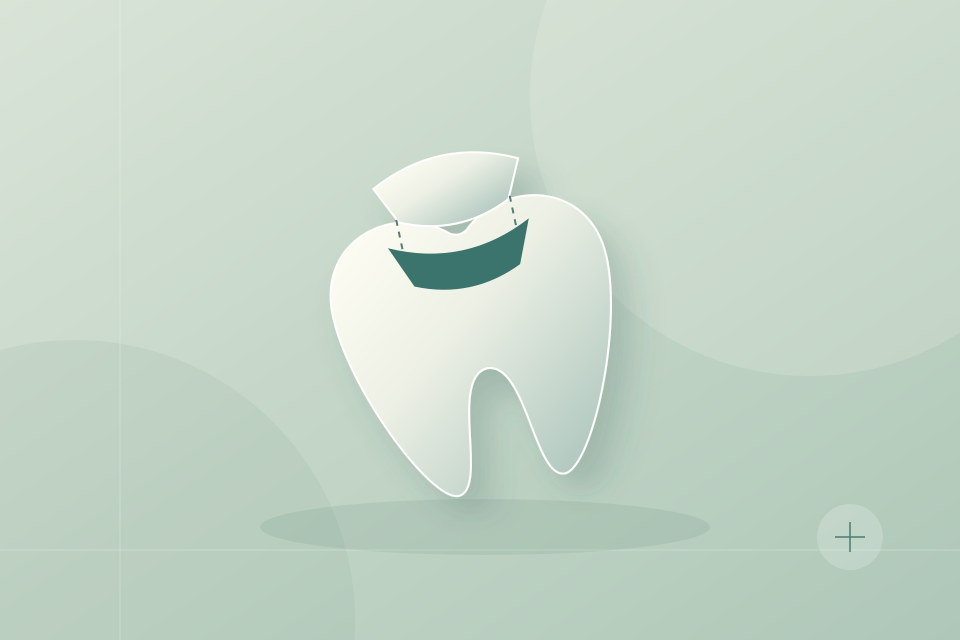
When a tooth needs rebuilding, the first question is how much treatment it needs. A crown covers a prepared tooth, but some teeth can be restored more conservatively. Preserving sound structure should be part of the decision. Leeds Teaching Hospitals explains crown indications and alternatives.
This guide concerns single crowns supported by natural teeth. An implant crown or a bridge has different design considerations. Ask your dentist to name the problem being treated before discussing a material or brand.
What distinguishes the two ceramics?
Lithium disilicate is a glass-ceramic; zirconia is an oxide ceramic. Both are tooth-coloured, but zirconia formulations vary: improving translucency can reduce some mechanical properties. Lithium disilicate offers high translucency; many zirconias offer greater strength. The precise product determines the balance. ADA overview of indirect restorative materials.
Ask for the material’s full name and whether the crown will be made from one main ceramic or have an additional cosmetic layer. “Ceramic crown” alone does not give you enough information to compare proposals.
Front tooth or back tooth is only a starting point
Neither material belongs exclusively to one part of the mouth. A randomized trial published in 2023 compared lithium disilicate and two zirconia designs on posterior natural teeth. The three-year results were favourable across the groups, with no crown fractures during observation. Its limited follow-up cannot establish lifetime performance. Read the posterior-crown trial.
The practical question is why a proposed design suits this tooth’s shape, space, bite and appearance. A recommendation for your neighbour’s molar may not apply to yours.
The tooth and gums need their own assessment
The ceramic is only one part of the restored tooth. Decay, pulp problems, sensitivity and gum inflammation are relevant outcomes alongside fracture. A 2023 systematic review of lithium disilicate crowns examined these biological outcomes and found generally favourable responses, while identifying limitations in the clinical evidence. Review of biological outcomes.
During consultation, ask what remains uncertain: the condition beneath an old restoration, the prognosis of a previously treated tooth, or the ability to keep the eventual crown margin clean. Request an explanation of any examinations or images needed.
Appearance needs a realistic conversation
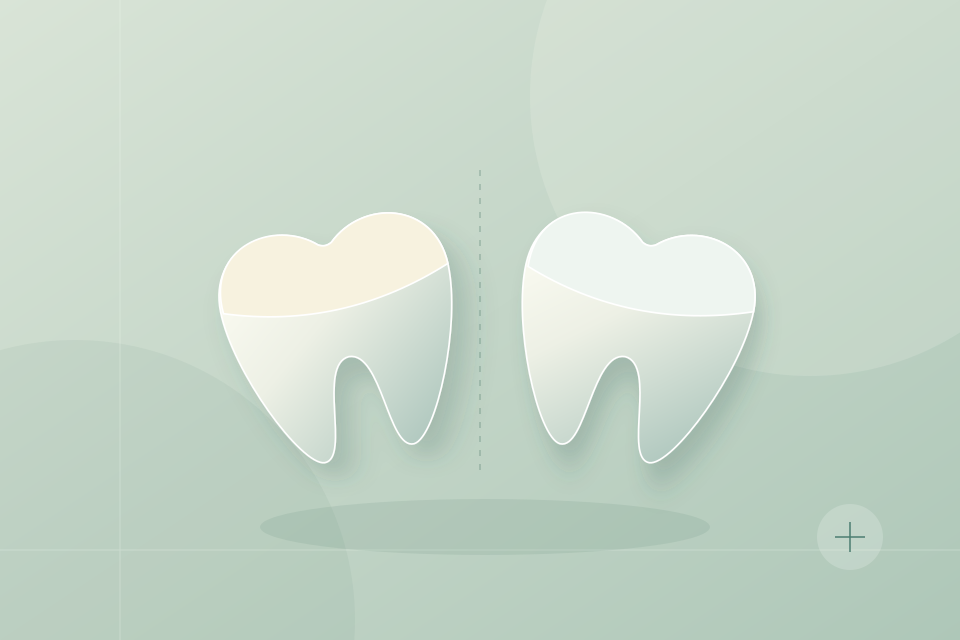
Matching a single front tooth and masking a dark underlying tooth are different challenges. Laboratory evidence shows that ceramic opacity, thickness and substrate colour affect masking. More translucency is therefore not automatically better. A 2026 laboratory study. Ask how these factors will be balanced without unnecessary removal of tooth structure.
If whitening is being considered, discuss the sequence before final shade selection. Whitening changes natural teeth rather than existing crowns, which can leave a mismatch. NHS information on whitening. A photograph of another person’s smile cannot establish the right result for you.
Bonding and preparation belong in the same discussion
The crown’s attachment must suit the material and clinical situation. A systematic review comparing adhesive and conventional cementation found broadly comparable clinical outcomes, but judged the evidence poor in quality. It does not support declaring one cement universally superior. Cementation review.
Ask how the dentist will achieve retention and moisture control, and whether the planned preparation is compatible with the selected ceramic. A strong material cannot compensate for every limitation of a compromised tooth. These are clinical decisions rather than instructions for choosing cement yourself.
Construction and surface finish affect risk
A 2026 systematic review reported less fracture and chipping with monolithic lithium disilicate and monolithic zirconia crowns than with layered alternatives. Monolithic means the principal crown shape is made from one ceramic rather than a framework covered extensively with another porcelain. Systematic review of single crowns.
Surface condition also matters to opposing teeth. A 2024 review describes wear as a multifactorial process influenced by polishing, material structure and the oral environment. Material hardness alone is an incomplete guide to wear. Review of opposing-enamel wear.
How to interpret longevity claims
An overview published in 2025 found generally favourable lithium-disilicate crown outcomes, but considerable variation in follow-up and study methods. A restoration remaining in place is not necessarily free of complications. Overview of clinical outcomes and complications.
Treat a survival percentage as information about a studied group over a stated period. Ask whether it concerns natural teeth, implants, single crowns or bridges. None of these numbers gives an expiry date for your crown, and a higher percentage from a different study does not automatically identify the better material.
Know what treatment and aftercare involve
Crown treatment requires shaping the tooth; a temporary crown may be used while a laboratory makes the definitive restoration. NHS guide to dental treatments. Before starting, ask how many appointments are expected, what to do if the temporary loosens, and when fit and appearance will be discussed.
Brush twice daily with fluoride toothpaste, clean between teeth daily, and attend advised reviews. ADA home-care advice. If grinding is suspected, assessment may include a protective night splint. The NHS describes splints as protection from damage; they should not be presented as a guarantee against crown failure. NHS guidance on bruxism.
Plan for problems and future costs
Ask for a written estimate identifying the crown, any foundation treatment, temporaries, reviews and possible repairs. Clarify what a warranty actually covers, including exclusions and who provides care if you move. A warranty is a service arrangement, not evidence of biological success.
Report worsening pain, a loose restoration or persistent bite discomfort. Suspected infection needs urgent dental assessment. Substantial swelling or difficulty breathing or swallowing requires emergency care. NHS warning signs for dental infection.
Educational note
General education, not a diagnosis or an individual treatment plan. Confirm the availability of specific techniques with the practice.
Common questions
Is zirconia always the strongest choice for me?
A material’s laboratory strength is only one consideration. Ask which zirconia formulation is proposed, what the preparation requires, and why the overall design suits your tooth. The crown, attachment and remaining tooth must be considered together.
Does a natural-looking result require lithium disilicate?
No single material guarantees a natural appearance. The posterior clinical trial found favourable aesthetic ratings for the ceramic designs studied. Matching your adjacent teeth still requires individual planning. Clinical trial.
Can a crowned tooth still need treatment?
Yes. A crown does not remove the possibility of decay, pulp problems or gum inflammation. Reviews assess these complications separately from whether the ceramic survives. Biological-outcomes review.
Which question is most useful at my appointment?
Ask: “What feature of my tooth makes this material and design your recommendation, and what would change your mind?” A clear answer should connect the proposed treatment to your examination, alternatives and priorities.
Sources and references
- Leeds Teaching Hospitals NHS Trust: Crowns
- American Dental Association: Materials for Indirect Restorations
- Clinical Outcome of Three Different Types of Posterior All-Ceramic Crowns: A 3-Year Randomized Trial
- Clinical outcomes of single full-coverage lithium disilicate restorations: A systematic review
- Effect of cement type on the clinical performance and complications of zirconia and lithium disilicate tooth-supported crowns: A systematic review
- A Systematic Review and Meta-analysis Evaluating the Survival, Failure, and Complication Rates of Tooth-Supported Single Crowns, Part 1
- Tribological aspects of enamel wear caused by zirconia and lithium disilicate: A meta-narrative review
- Clinical outcomes and complications of tooth- and implant-supported lithium (di)silicate based single crowns: an overview of systematic reviews
- NHS: Dental treatments
- NHS: Teeth whitening
- American Dental Association, MouthHealthy: Brushing Your Teeth
- NHS: Teeth grinding (bruxism)
- NHS: Dental abscess
- Effect of Translucency and Thickness of Zirconia and Lithium Disilicate Veneered Frameworks in Different Shades on the Masking Ability of Discolored Substrates