Educational editorial content prepared for drhindsaeed.com. No named clinician review is claimed.
This is general educational information, not a diagnosis or an individual treatment plan. Treatment selection depends on a dental examination and the condition of the tooth.
Begin with the change you actually want
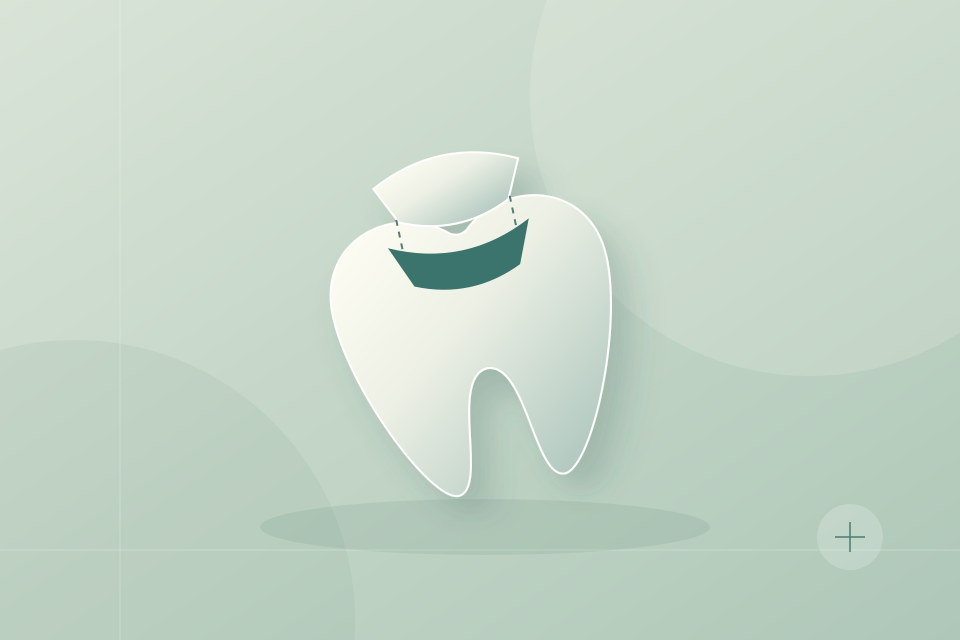
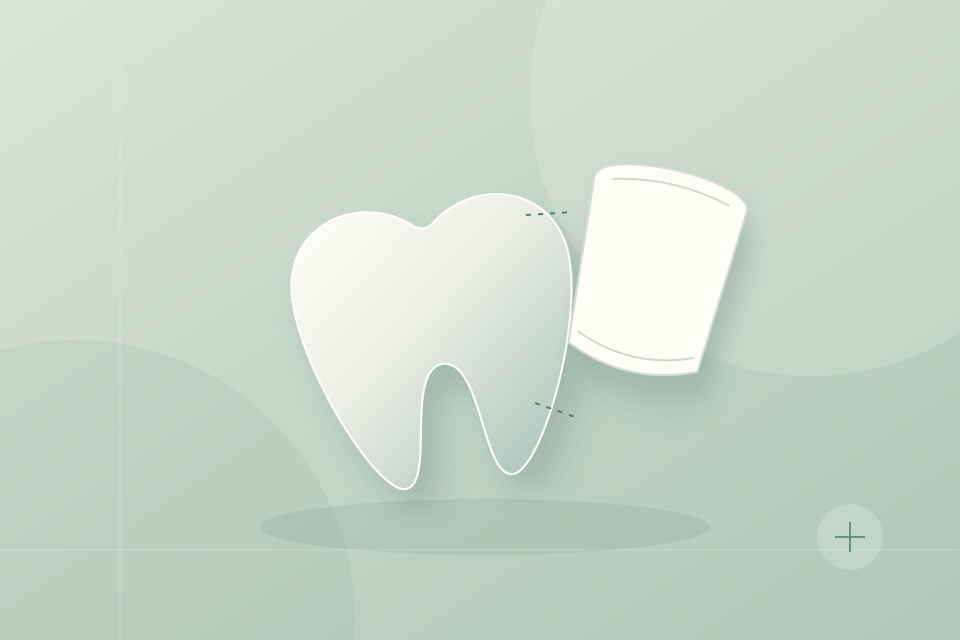
Before discussing a full set of veneers, identify the concern: a small chip, uneven shape, a gap, or colour. A veneer is a thin facing placed over the front of a tooth. Some designs require preparation and others may not. NHS overview of veneers.
“Minimally invasive” should describe the treatment plan, rather than simply the thinness of a product. Ask which teeth need treatment and why. It is reasonable to want a smaller change, to retain natural character, or to decide against elective treatment.
Why preserving enamel matters
Enamel provides an important bonding surface. A systematic review, published online in 2024 and in a 2025 journal issue, found better overall outcomes when ceramic veneers were bonded to enamel than to more extensively exposed dentine or existing composite. Only six clinical studies met its criteria, so the findings should not become a personal success guarantee. Review of veneer bonding substrates.
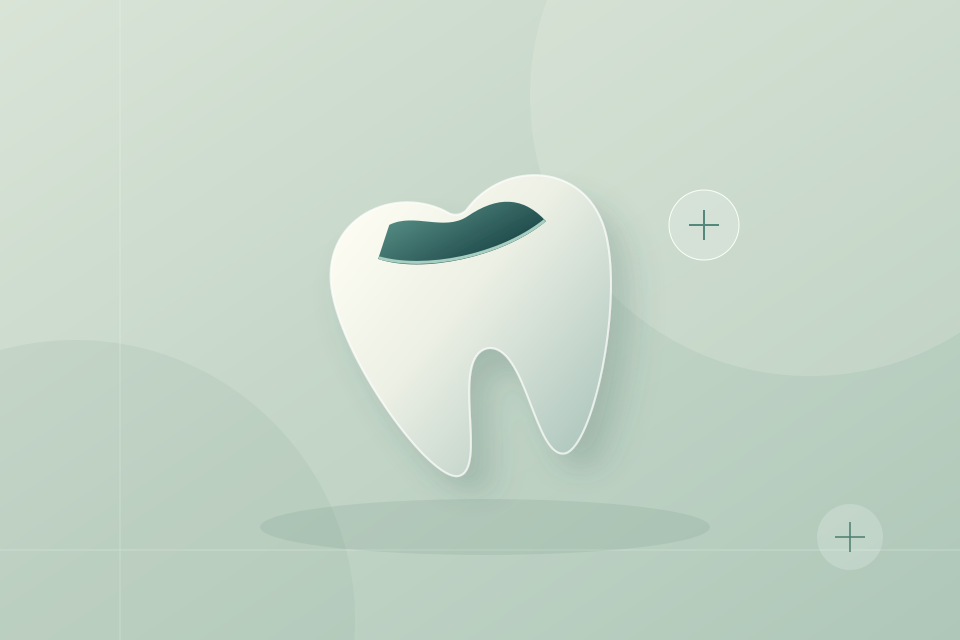
A useful consultation question is how much enamel is expected to remain, especially around an old filling. The answer may influence whether a veneer is sensible at all.
Who may benefit, and who needs another plan?
Veneers may improve selected chipped, discoloured or misshapen teeth, or camouflage some gaps. Active decay and gum disease need treatment first. Grinding, clenching or a deep overbite can make veneers less suitable. ADA patient guidance.
Bring your dental history and explain any previous breakages or discomfort. Ask the dentist to separate the cosmetic aim from any functional problem. A proposal that changes appearance should also explain how the teeth will meet and how you will clean around the restorations.
No-prep is a selective technique
A review comparing conventional and minimal or no-preparation veneers describes a varied evidence base rather than a single technique appropriate for everyone. The choice needs to fit the intended change and the tooth. Review of conventional and minimally invasive veneers.
A newer prospective study followed 110 veneers in just 12 people for one year. More complications occurred in the no-preparation group. This small, short study cannot establish a universal winner, but it challenges the assumption that avoiding preparation always produces the safer outcome. Study published online in 2025; journal issue in 2026.
Consider whitening and orthodontics first when appropriate
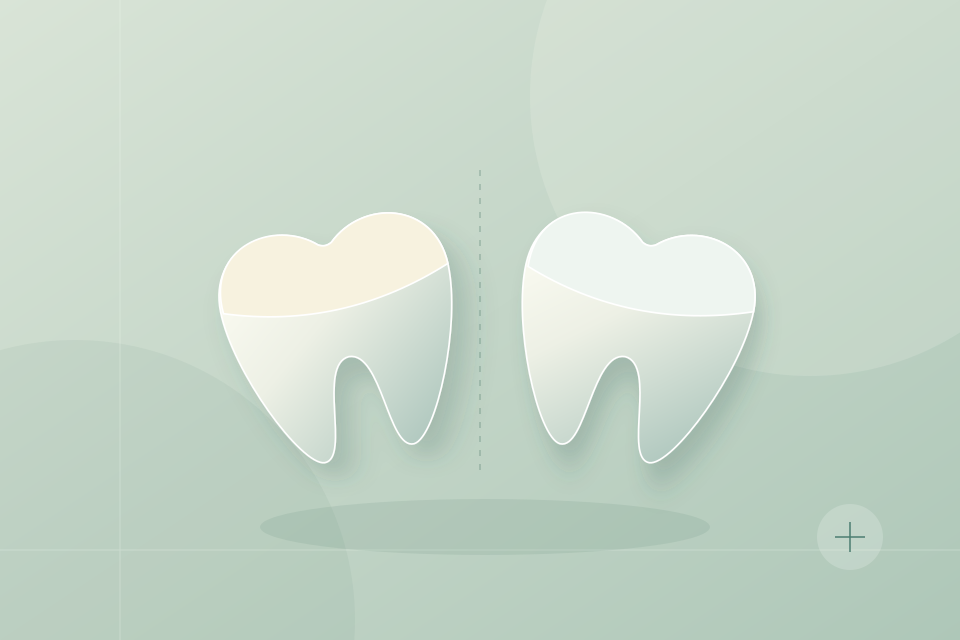
When colour is the main concern, ask whether supervised whitening could meet your goal without a veneer. Whitening has its own risks, including sensitivity, and changes natural teeth rather than existing restorations. NHS whitening guidance.
When position or bite is the main problem, orthodontics can move teeth and address alignment. It requires commitment, suitable oral health and retention afterwards. NHS orthodontic guidance. Ask whether straightening first would change the number of restorations proposed. The answer may be a combined plan, a different treatment, or no cosmetic treatment.
Compare a small repair with a full veneer
Composite bonding can be used to change a tooth’s shape or repair a defect. Compared with porcelain veneers, composite may require less enamel removal and is often easier to repair, but is less resistant to staining and wear. ADA comparison of veneer materials.
Ask whether the concern can be addressed locally instead of covering the whole front surface. Discuss what maintenance would look like for each option and what happens after a chip. Compare the complete treatment pathway, including foreseeable repairs, rather than the initial price alone.
Preview the plan before irreversible steps
Ask whether a mock-up or other preview is useful, and what it can and cannot show. Discuss length, shape, shade and the number of teeth involved. Request time to consider the plan rather than treating the preview as an obligation to proceed.
For each tooth, ask what preparation is intended, what happens if the existing condition differs from expectations, and when you will be asked to approve a changed plan. A digital image can support communication, but you should not treat it as a promise of the final result.
Material choice and bonding need clinical expertise
A 2024 review found clinical support for established silica-based veneer ceramics, including feldspathic porcelain and lithium disilicate. No zirconia-veneer studies met that review’s criteria through April 2023; this identifies an evidence gap rather than proving that every newer approach fails. Review of clinical veneer performance.
Bonding is technique-sensitive. Isolation, surface preparation, placement and removal of excess cement all matter. Review of cementation risk factors. Ask how the clinician plans to manage the bonding conditions; a product label alone cannot answer that question.
Understand the commitment and possible complications
Once tooth tissue is removed, it does not grow back. ADA veneer guidance.
Discuss sensitivity, fracture, loosening, colour concerns and possible repairs or replacement before consenting. These are documented complications, not predictions that they will happen to you. Clinical study of veneer complications. No veneer should be sold as guaranteed lifetime treatment.
An established university-hospital leaflet also describes possible later root-canal treatment and gum recession around restorations. Its last stated update is July 2018; it is used here for general risk information, not current numerical predictions. University Dental Hospital of Manchester patient information.
Protect the teeth around the veneers
Clean between teeth daily using an appropriate interdental aid; a toothbrush cannot reach every contact area. Ask for a demonstration if access becomes difficult. ADA guidance on cleaning between teeth. Keep to advised dental reviews and report a change in fit or comfort.
If grinding is suspected, discuss assessment and whether a protective splint is appropriate. NHS bruxism guidance. Choose a properly licensed dental professional. The ADA warns that unlicensed veneer services can overlook disease and cause serious harm. ADA public warning.
Educational note
General education, not a diagnosis or an individual treatment plan. Confirm the availability of specific techniques with the practice.
Common questions
Are no-prep veneers reversible?
Do not assume that they are. Ask exactly what surface treatment, contouring and bonding are proposed, and what removal would involve. A promise of easy reversal should not replace an explanation specific to your teeth.
How many veneers do I need?
There is no standard number for everyone. Ask the dentist to justify each proposed restoration against your goal and to discuss a smaller plan. A photograph or package price is not enough to determine treatment need.
How long will veneers last?
There is no guaranteed lifespan. The reviewed clinical literature reports different materials, follow-up periods and reasons for intervention. Ask about both maintenance and replacement, rather than treating a survival figure as a warranty. Clinical-performance review.
What should I ask before paying a deposit?
Request the diagnosis, alternatives, intended preparation, full estimate, review arrangements and who handles repairs. Ask what remains uncertain and whether the plan would change if you chose a subtler cosmetic result.
Sources and references
- NHS: Dental treatments
- Clinical survival and complication rate of ceramic veneers bonded to different substrates: A systematic review and meta-analysis
- American Dental Association, MouthHealthy: Veneers
- Conventional Versus Minimally Invasive Veneers: A Systematic Review
- Clinical Performance Comparison of Prepless and Minimally Invasive Ceramic Laminate Veneer Restorations: A Prospective Clinical Study
- NHS: Teeth whitening
- NHS: Braces and orthodontics
- Clinical performance of laminate veneers: A review of the literature
- Risk Factors with Porcelain Laminate Veneers Experienced during Cementation: A Review
- University Dental Hospital of Manchester: Crowns, Veneers and Bridges
- American Dental Association, MouthHealthy: Flossing
- NHS: Teeth grinding (bruxism)
- ADA advises public about veneer techs
- Survival of Ceramic Veneers: Impact of Dentin Exposure and Tooth Vitality After 1 to 15 Years of Follow-Up